When should you upgrade from small Agricultural Drones to a full drone fleet?
Opening Spraying Drone
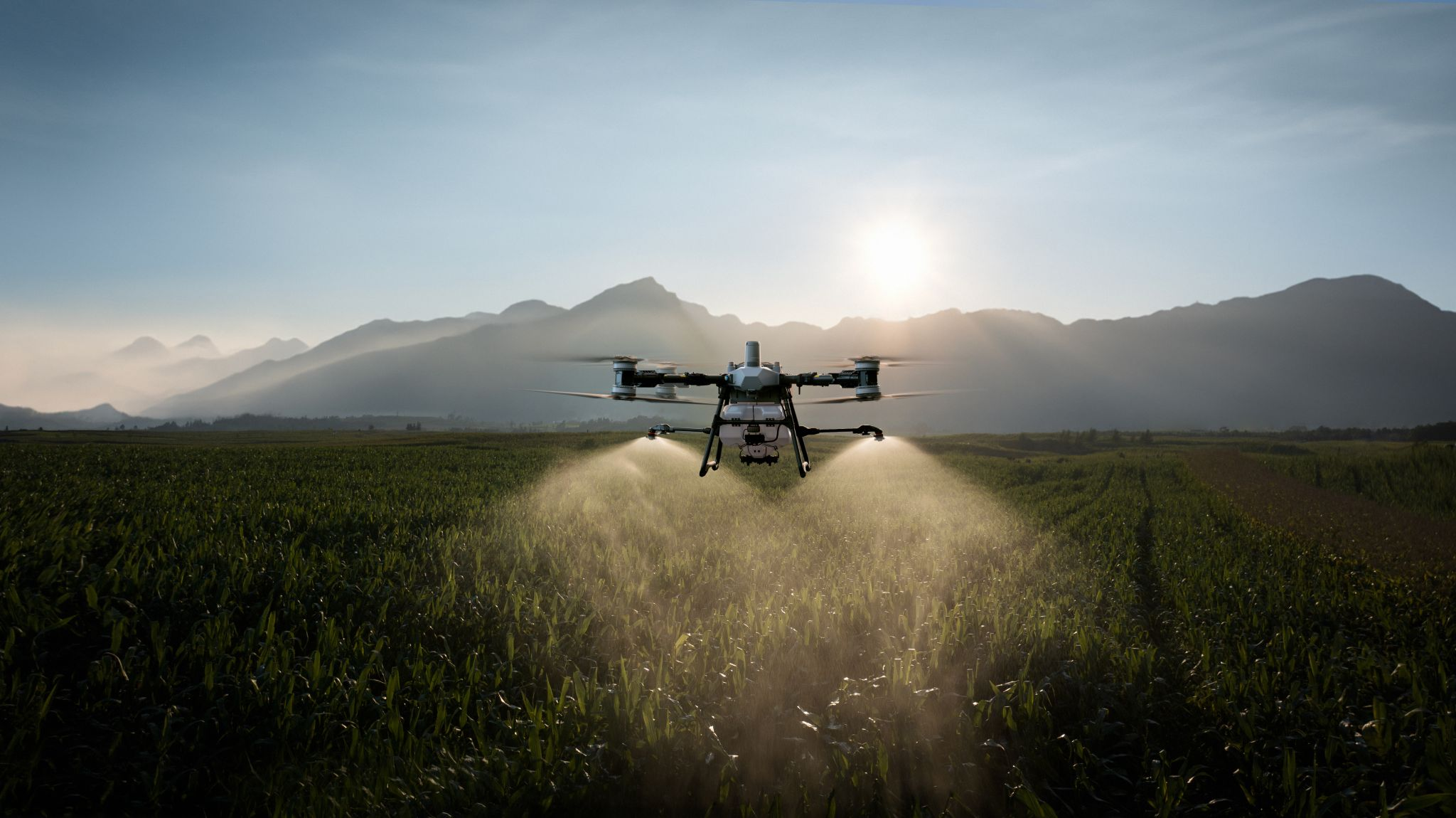
The DJI aerial vehicles represents a substantial evolution in up-to-date cultivation approaches. Various progressive drones are developed to precisely apply herbicides and other essential substances to farmland. Utilizing precise processes, the Agras framework diminishes human resources charge, increases production, and promotes environmentally friendly cultivation approaches. Planters can now get improved control and coverage in their plant care methods thanks to this pioneering improvement.
Cultivation Flyers: A Producer's Instruction to the DJI Agras Selection
That DJI Agras series features a remarkable leap in precision farming system, providing producers a capable device for optimizing growth returns and curtailing operational expenses. Those UAVs are specifically fabricated for distributing crop enhancers, supplying a more rapid and focused approach than conventional systems. The Agras series encompass various variants, each tailored for specific field dimensions and crop kinds. Below is a limited overview:
- T configuration: Known for their concise build and movability, perfect for narrow fields and demanding terrain.
- P collection: Sturdy machines created for expansive areas, allowing elevated payload and spray capacity.
- V editions: Engineered for fruit farm management, with dedicated features supporting mobilization in tangled environments.
Ultimately, embedding a DJI Agras automated flyer into your operation can generate exceptional gains in output and ecological care. Adequate certification and compliance with jurisdictional statutes are vital for protected and profitable handling.
Boosting Crop Output: How DJI Agras-like Diffusing Unmanned Systems are Upgrading Agriculture
A cultivation area is moving through a remarkable change, powered by advanced methods. Distributing automated aircraft, especially classes like the DJI Agras, are innovating how plant managers run their fields. These devices provide unprecedented precision in applying fertilizers, limiting waste and strengthening growth growth. By automated flight, they apply to larger expanses swiftly and with advanced exactness, producing revised crop returns and a cleaner way of up-to-date farming approaches.
DJI spraying systems vs. Classic Application: Efficiency and Planet-friendly Positives
Planters are growingly adopting robotic crop sprayers as an option to conventional broadcasting operations. The performance improvements are exceptional; drones can access areas far quicker than manual equipment, diminishing workforce outlays. Moreover, targeted emission competences reduce agro-input overuse, leading to a mitigated ecological disturbance and supporting more conservation-minded farm operations.
Boosting Drone Growth: Real-World Employments of the DJI Agras lineup
That the Agras models is maximally securing advantage across distinct branches, indicating its competence for reshaping horticultural procedures. From specific dispersion of crop agents in extensive terrain to efficiently inspecting crop vitality, and amplifying outputs, the Agras package provides a prominent head start over traditional processes. Usages show its utilization in rice farming across Eastern hemisphere, olive farms in Western Europe, and bean growth in Southern America, underlining its pliability and multinational effect.
A Future Pertaining to Farming: Probing Selected Capabilities Of Agricultural Unmanned Systems
Every agrarian sector is poised for a considerable transformation, mainly on account of the developing use of unmanned UAVs. The leading devices offer exceptional abilities, like precision imaging over farms, directed emission of fertilizers and herbicides, and holistic monitoring of cultivation soundness. On top of that, they deliver reduction of labor costs and enhancement of overall crop yields, ultimately reshaping the future of cutting-edge farming protocols.
Next-gen Agrarian Practices: Perfecting Chemical Feed Diffusion with Certain Agricultural robotics
Cutting-edge pinpoint agribusiness is upgrading how producers manage nutrient deployment. The a Agras series of aerial vehicles equips unparalleled fidelity and capability in chemical feed application. Utilizing high-tech scanning tools, these autonomous apparatus enable husbandmen to spread fertilizers precisely where critical, curtailing runoff and maximizing return. This technique not only enhances agrarian returns but also encourages environmentally sound planting methods.
Contemplating a DJI Agras: Outlays, Benefits, and Earnings for Producers
Procuring a DJI Agras aerial machinery constitutes a considerable financial decision for several agriculturists, but the anticipated value can support the original charge. The combined charge includes the platform purchase expense, ongoing repair charges, and instruction funding. However, these expenses are often recouped by improved productivity, diminished personnel costs, curtailed treatment use, and optimized growth. Ultimately, the ROI depends on factors like tract coverage, cultivation breed, application, and environmental management circumstances, with accurate preparation and information examination critical for augmenting profit and securing a profitable cash performance.
Exceeding Emission : Expanding the Employment of the DJI models in Innovative Farming
Even though firstly recognized for the crop emission abilities, the DJI Agras proves a higher potential inside modern plantation fields. Agriculturists are now studying how these adaptable machines can be deployed for tasks above and beyond simple plant nutrient delivery. This contains precise seeding, spreading cover plants, and even initial crop status evaluation via cutting-edge sensor tools, opening up revolution in advanced plantation methods.