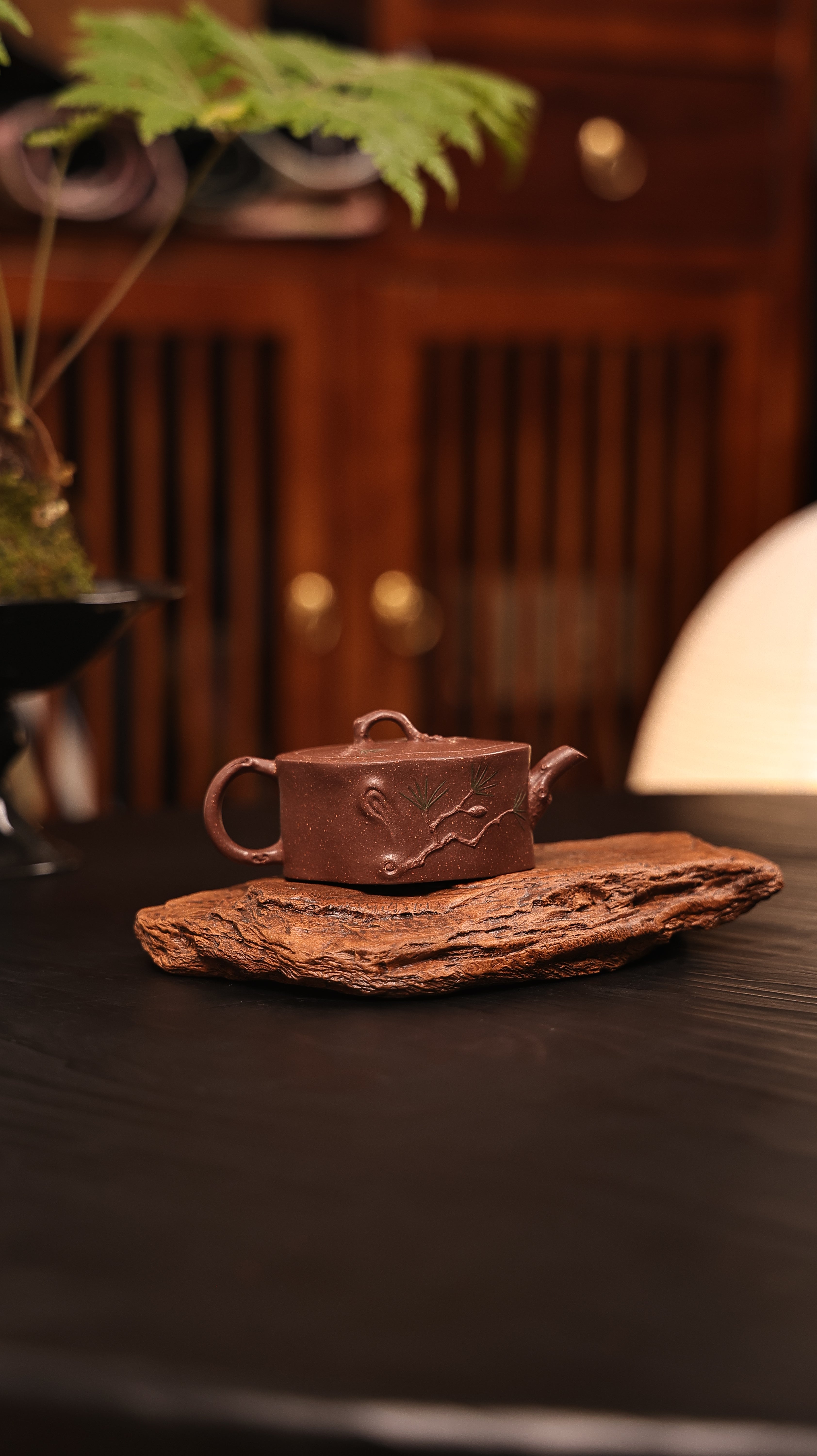
What packaging features best protect a Zisha Teapot during international shipping?
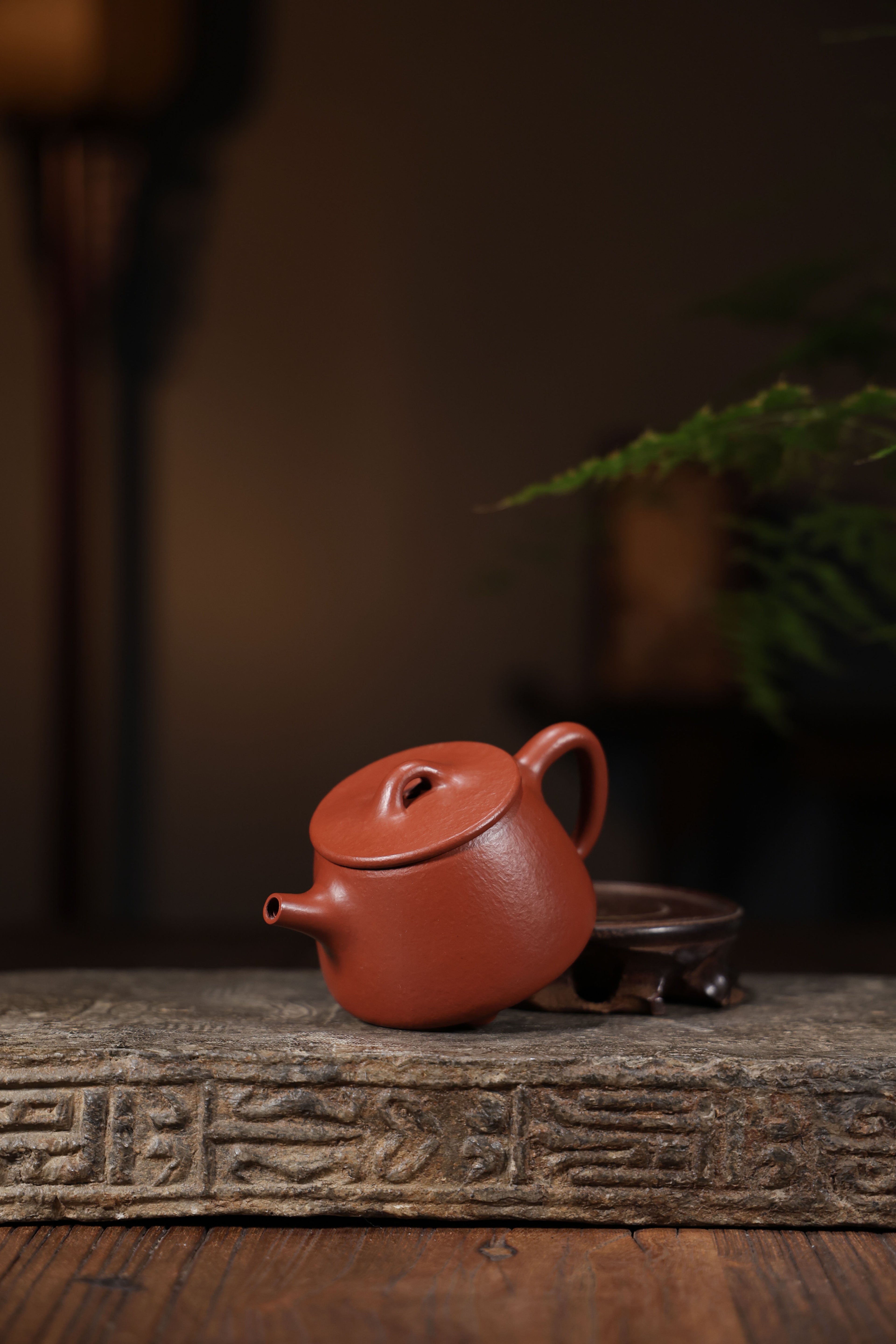
Amidst endless eras of heritage,
For decades, enthusiasts have been fascinated by the rare charm of Yixing Zisha teapots. Originating from the locality of Yixing in the nation of China, these utensils are renowned for their remarkable beauty, limited clay, and innate ability to boost the palate of the steeping. The substratum's distinctive purple-red hue, combined with the artistic craftsmanship of regional makers, creates pieces that are simultaneously functional designs and cherished valuables. Gaining a Zisha teapot is more than just such a purchase; it's embracing a rich traditional heritage.
Exploring Yixing Teapots: Origins, Categories, and Importance
The renowned Yixing teapots stand as a profound past deeply intertwined with Chinese culture. Emerging in the Yixing region of Jiangsu province, these clay vessels boast a heritage extending back to the Ming Dynasty. First examples were functional, but throughout centuries, Yixing teapot making evolved into an esteemed art form. The clay itself, known for its unique feature and ability to modify the flavor of the tea, endures a defining factor. Yixing teapots arrive in various designs, broadly categorized by shape: Traditional such as Zhuni (purple clay) and Bisheng, as well as custom designs. The significance of a Chinese Teapot Yixing teapot rests on several factors, including the potter’s renown, the age of the piece, the rarity of the clay, and its aesthetic quality.- Story: Prime eras
- Earth: Various types
- Appraisal Elements: Age
Zisha Claycraft: Skills and Crafters
The assembly of a real Zisha teapot is a complex process, requiring extensive times of proficiency. Master artisans meticulously select the finest Zisha clay, a exclusive earth found only in specific regions of China. Longstanding techniques, often transmitted through families, involve rigorous shaping, refined carving, and patient firing in ancient hearths. The finished teapot isn't merely a jar; it's a testament to aesthetic vision and the weighty connection between the craftsman and their background. Each teapot showcases the specific touch of the potter, resulting in a truly singular work of pottery.
Eastern Vessels: Surveying the Vast Institutions of Yixing City
Esteemed Yixing, situated in Jiangsu the area, is widely renowned for its exceptional ceramics – a tangible representation of centuries of Chinese tradition. These aren't merely vessels for processing tea; they are intricate works of craftsmanship, often reflecting traditional ideals. The unique purple clay, known as Zisha, possesses extraordinary qualities: the element dense, breathable, and imparts a subtle essence to the tea.
- Multitudinous dynasties have honed the techniques of Yixing jar making, passing down cherished methods through ages.
- Connoisseurs prize these pieces for their attractiveness and rarity.
- Some object tells a anecdote, connecting the user to a rich heritage.
Exploring Yixing Zisha: Key Considerations
During examining get Yixing Zisha earthen pots, multiple parameters require careful analysis. At the outset, the ingredient's color is crucial; authentic Zisha generally exhibits a particular carmine depth. Besides, consider the handiwork; detailed details and a refined coating imply proficient construction. Finally, analyze the potter's standing; famous names draw boosted figures and often bestow a reliable dividend.
Brewing Excellence with Zisha Teapots
Steeping savory tea with a Zisha container is more above a simple method; it's an discipline. Zisha clay, celebrated for its unique earthen composition, imparts a subtle character to the finished tea that’s often wanting with other implements. The suitable water level is required; typically, gentler than what's used for black tea, to maintain the tea's fragrance and nuance. Consider conscientiously the tea class; delicate green teas or aged pu-erhs excel from the Zisha’s ability to mellow their fundamental edge. It’s pivotal to prepare the teapot stringent to brewing, and to refrain from over-steeping. Mastering this approach leads to a truly exceptional tea instance.
- Learning Zisha Clay
- Water Warmth & Kind of Tea
- Value of Warming Up
Caring for Your Esteemed Container
So as to maintain the durability of your prized Yixing ceramic pot, steady management is critically essential. Eschew using soapsuds; instead, gently purify it with lukewarm hydrous medium. Shun drastic variations; don't rest the vessel directly onto a glowing platform. Periodically, season the pot by steeping it with superior black concoction, as this assists to amplify its patina and maintains the distinctive characteristics of the material.
Pertaining to Clay to Goblet: The Voyage of a Chinese Kettle
The creation of a Zisha teapot is a impressive process, a proof to both nature's bounty and the ability of the specialist. It commences with the thorough extraction of the rare clay from the reddish Zisha mines neighboring Yixing. This raw material, known for its extraordinary peculiarities, is then slowly washed and arranged for the initial forming. The jar’s profile is skillfully constructed using a amalgamation of traditional shaping procedures, often incorporating decorative designs. Following settling, the jar undergoes a indispensable first firing, subsequent by a surface treatment stage, which might involve numerous layers of genuine Zisha paints. Finally, a second, and sometimes third, firing at high temperatures completes the work, revealing its perfected beauty and superlative characteristics - a veritable masterpiece, ready to enhance a tea gathering.
{Yixing Teapots: A Token of the Custom and Valuation
Famous Yixing teapots, originating from the renowned Yixing region of Jiangsu province, are far more than mere containers for brewing the beverage; they represent a significant aspect of Chinese heritage. Created from distinctive purple clay – zisha – these extraordinary teapots are highly cherished for their ability to elevate the flavor of the tea and, crucially, for their grace. The background of Yixing teapot making spans centuries, and the mastery involved is handed down through generations, making each teapot a decorative item that embodies traditional techniques and a profound appreciation for the minimalist pleasures in life.