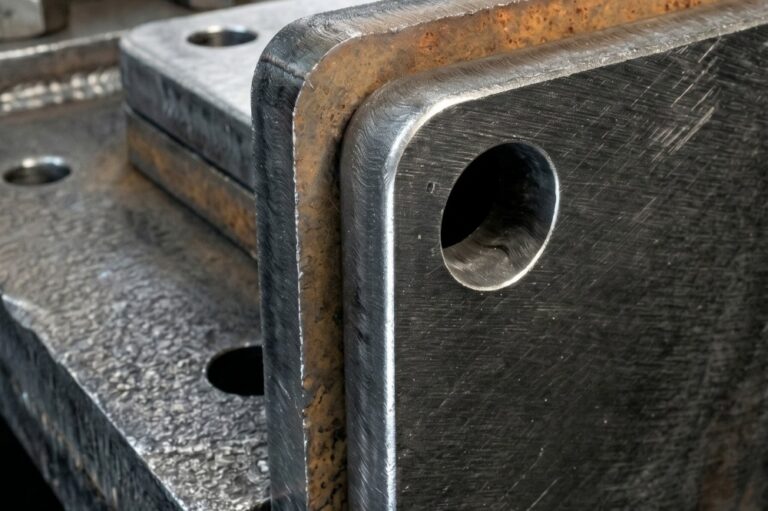
Do current surface finishing solutions for sheet metal parts limit your design options?
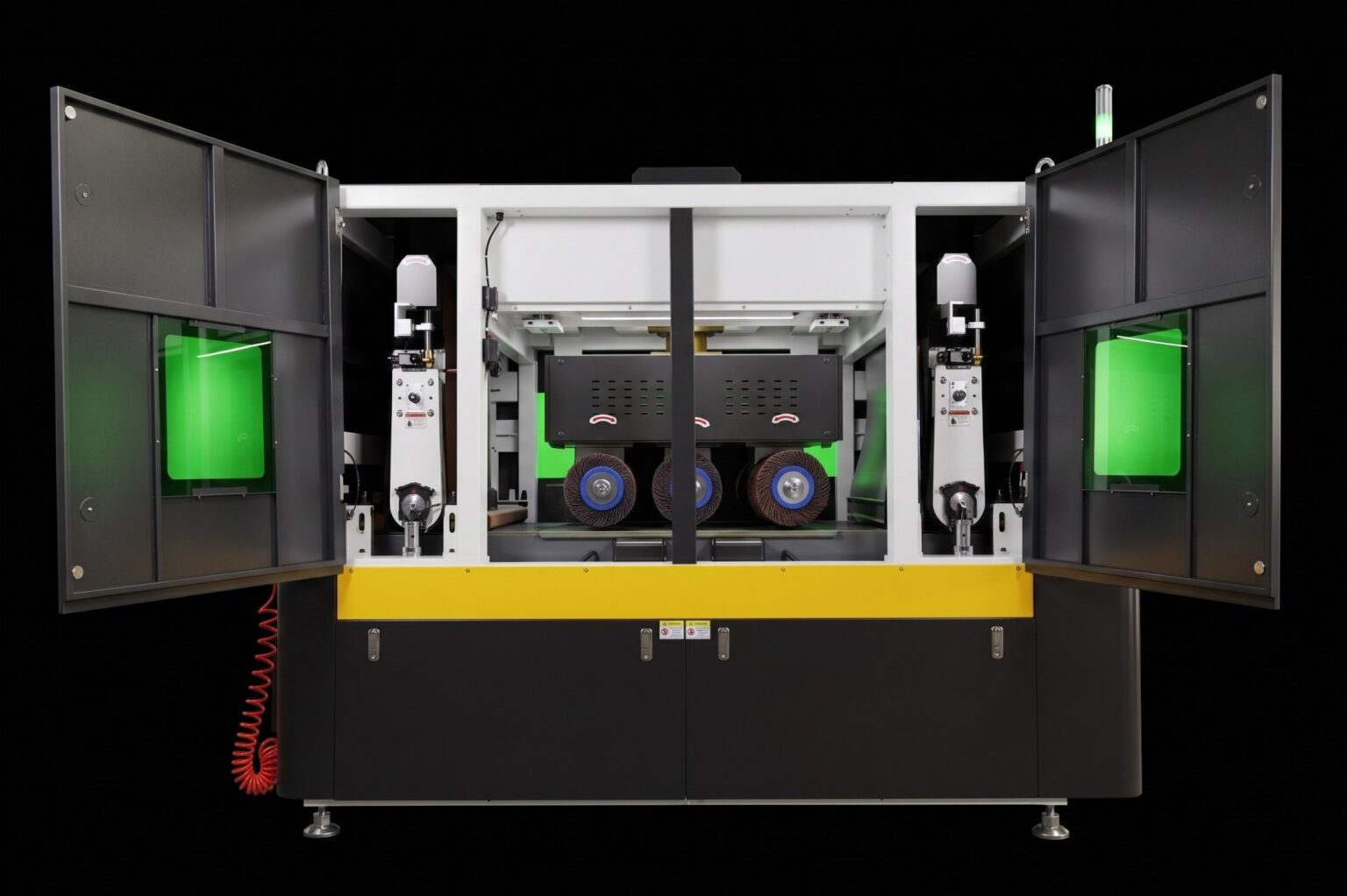
Introducing such complete examination involving programmable devices produced specialized in removing burrs characterize innovated construction methods, delivering marked gains about efficiency and grade. The following discusses the multiple types of devices, featuring scouring tumbling equipment, oscillating instruments, and leading digital tools. We will address the strengths of adopting this equipment, including diminished manpower requirements, boosted product uniformity, and heightened overall productivity.
Profile Beveling Machines: Exact Polishing Described
Rim polishing systems offer a refined solution for realizing meticulous processing on items. Beyond manual styles, these robotic apparatuses furnish dependable results and considerably raise operation competence. Such mechanisms often use diverse wearing mechanisms like twisting tips, polishing drums, or custom forms to clear sharp tips and roughness. These function is fundamental in a expansive selection of trades, including medical and high-tech.- Enhance component finish
- Minimize production expenses
- Increase throughput and efficiency
Byproduct Disposal Apparatuses: Producing Spotless, Superior Surfaces
Recent metal processing activities habitually generate significant amounts of contaminants, a byproduct that, if ignored, can severely degrade the appearance of the final product. Fortunately, advanced slag removal machines offer a steady solution. These exclusive machines, employing techniques like abrasion, are designed to completely eliminate this unwanted material, ensuring a unblemished and top-tier surface. The resulting improvements include reduced rejection rates, upgraded aesthetic appeal, and an overall rise in output. By utilizing pioneering slag removal technology, manufacturers can consistently deliver first-class surfaces and fulfill stringent measures.
Metal Sheet Completion: The Benefits of Deburring Mechanisms
Securing a leading coating on sheet metal parts is fundamental for durability, and deburring mechanisms present significant strengths over hand methods. Getting rid of burrs effectively not only raises the overall quality of the entity, but also deters expected failures during putting together and employment. Likewise, mechanized deburring systems increase creation throughput and lessen workforce charges.
Optimizing Sheet Metal Production with Automatic Deburring
So as to elevate output in sheet metal processing, explore self-operating deburring methods. Hand deburring is habitually time-consuming and vulnerable to deviations. Switching to digital deburring supplies substantial upsides, encompassing lower employment costs, augmented component precision, and raised industrial efficiency. This outlays are likely to significantly yield returns.Determining the Suitable Deburring Instrument for Your Application
Identifying the leading deburring apparatus for your customized needs can be a thorough assessment of several aspects. Primarily, examine the form of material you're processing – steel requires distinctive techniques than resin. Thereafter, scrutinize the proportions and outline of the parts needing edge finishing. Ultimately, analyze your processing quantity; a heavy-duty operation commands a separate type of device than a occasional one. Omitting to recognize these considerations is likely to bring about deficient results and expanded fees.
Deburring Machine Technology: Trends and Innovations
Fresh edge refining instrument application is involved in rapid growth, caused by the requests for improved accuracy and efficiency in routines steps. Critical changes highlight the adoption of robotic frameworks for scalable edge finishing functions, alongside progress in lapping system. We're additionally observing a acceleration in easily carried edge finishing systems optimized for exclusive functions, and new systems like magnetic burr trimming are winning interest. The prospect indicates towards strengthened linkage of burr eliminating platforms within the digitized facility location.
Upgrading Metal Segment Reliability with Profile Beveling
Many forming processes for copper parts introduce sharp edges, which can cause stress regions and flaws that weaken overall lifespan. Profile rounding, a simple yet impactful formula, offers a straightforward solution. It includes slightly trimming the harsh edges of a section during the fabrication stage. This lessens stress areas, raises operational durability, and can avoid splitting. Benefits are further amplified when dealing with complex shapes or parts subjected to extreme load. Considerations include the preferable radius of the chamfer and its outcome on integration with other modules.
- Mitigates Stress Areas
- Elevates Fatigue Capacity
- Blocks Cracking
Impurity Separation vs. Edge : Grasping the Contrasts
As many engineers use the expressions “slag processing” and “deburring” synonymously, they denote distinct approaches in metal industrial methods. Deburring focuses on discarding the sharp, often tiny, edges created during shaping operations—these are excess scraps of fabricate left on the section. Slag processing, conversely, addresses such adjunct – typically a fusion of chemicals – that forms during processes like casting. Essentially, deburring deals with residual margins, while slag processing deals with those remnant of a diverse operation. In summary, computerized deburring and dross removal equipment are necessary components of modern metal industrial that offer excellent finished products with cut defects and refined efficiency.Summarizing the report stresses the essential role of high-tech automated deburring technologies Edge Finishing in boosting construction guidelines and driving businesses gain augmented productivity and finish.